30 stacks · 224 numbered cards · 6 topics
Home Ventilation and Indoor Air, Room by Room
Home ventilation means moving damp, smoky or stale indoor air out and fresh outdoor air in on purpose, with a hood in the kitchen, a fan in each bath and a planned system for the whole house.
Each stack answers one question in numbered cards, with a source under every card · Updated
Kitchen
Hoods, gas burners, makeup air and where the duct goes. 5 stacks · 38 cards

Bathroom
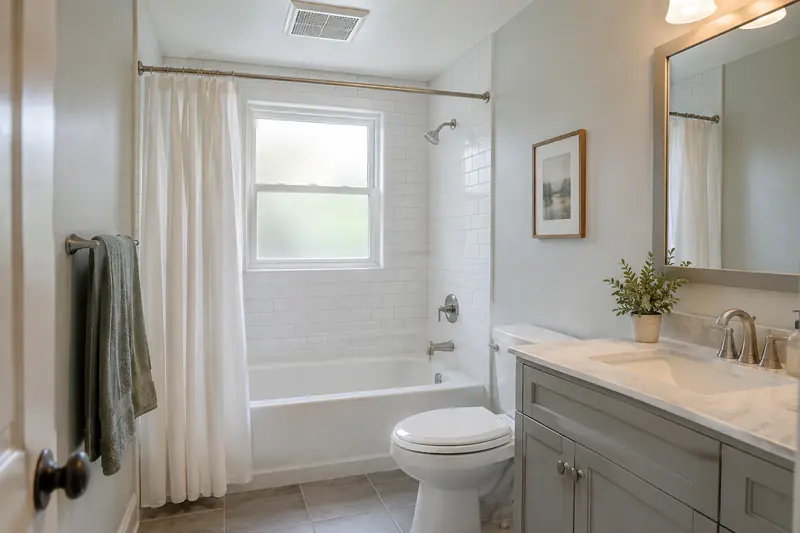
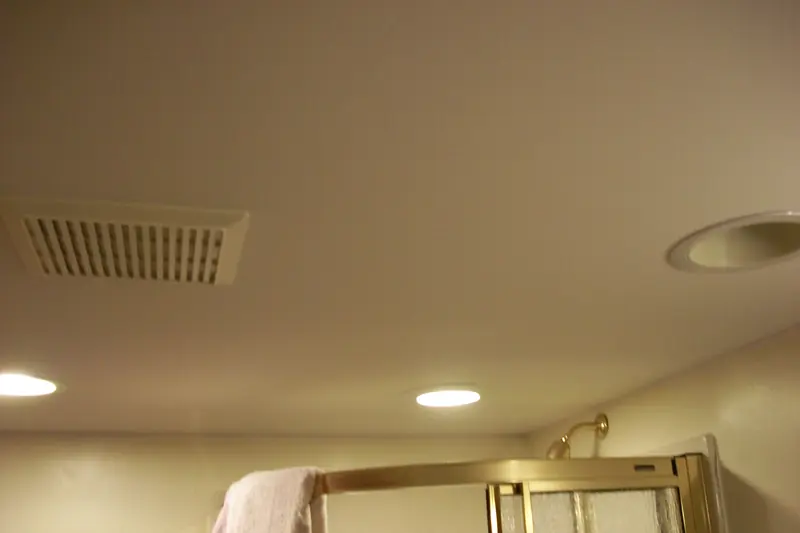
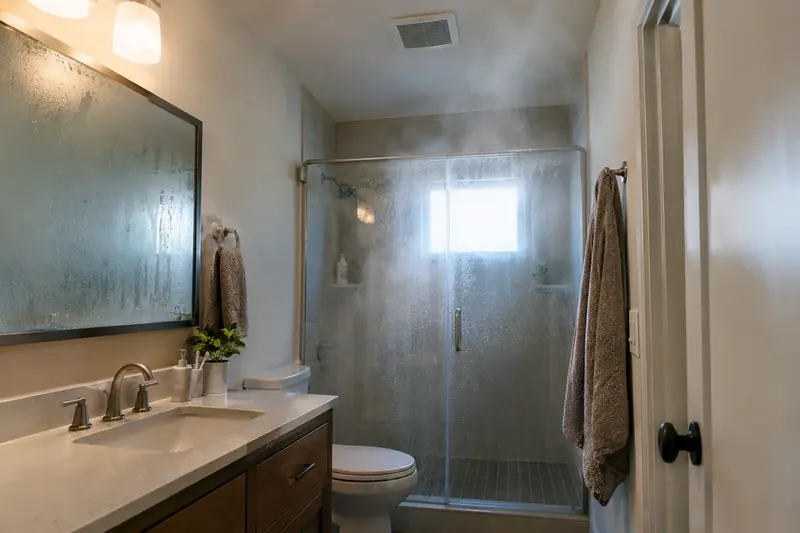
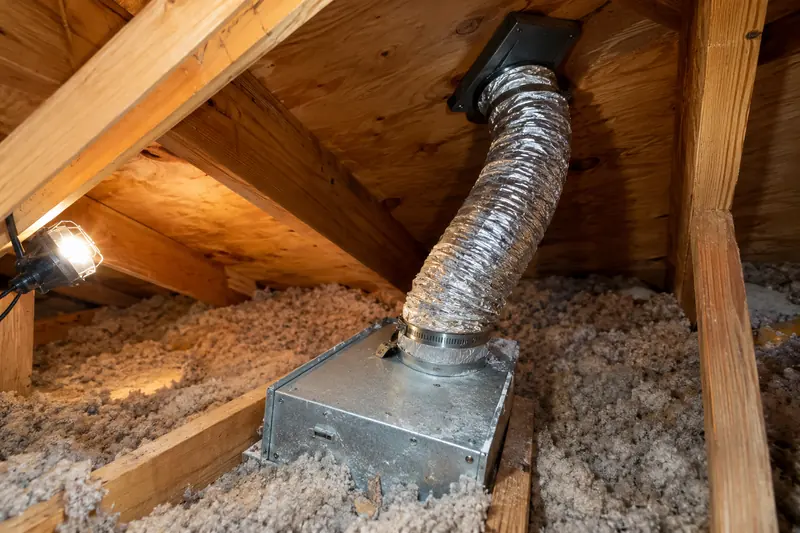
Fan size, run time and getting the damp air outdoors. 4 stacks · 30 cards
Whole house
Fresh air for tight houses: system types, ASHRAE 62.2, ERV or HRV, garages. 6 stacks · 46 cards
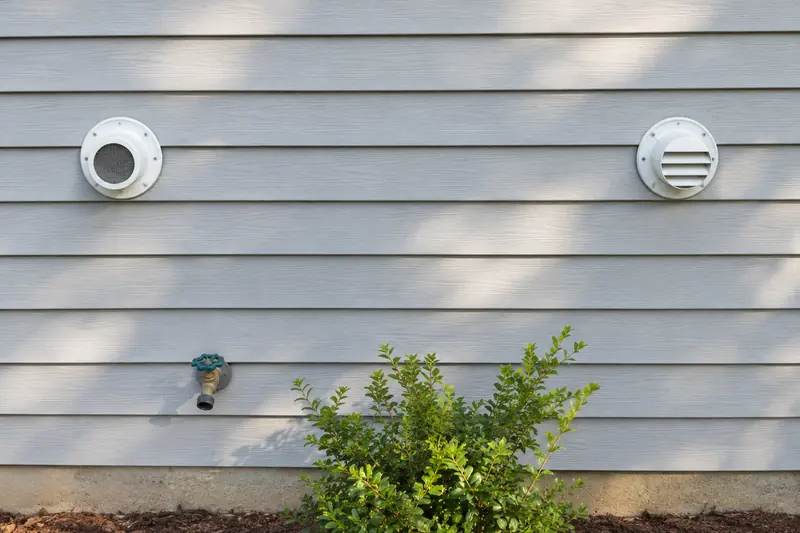 How does fresh air get into a modern house?8 cards · start here
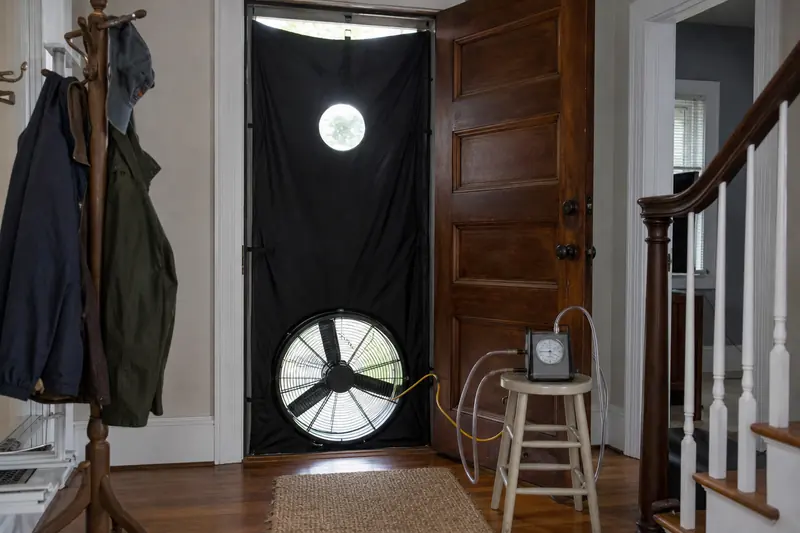 Why does a tight house need planned fresh air?7 cards
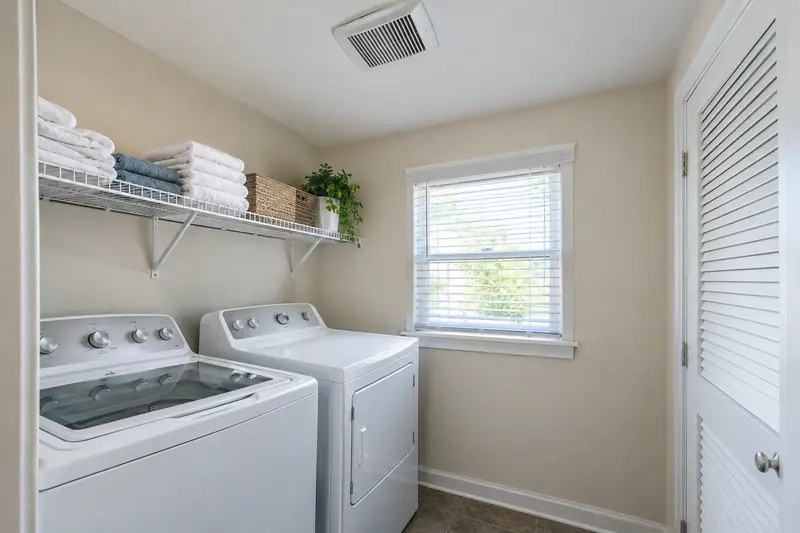 Exhaust, supply or balanced: which system fits?8 cards
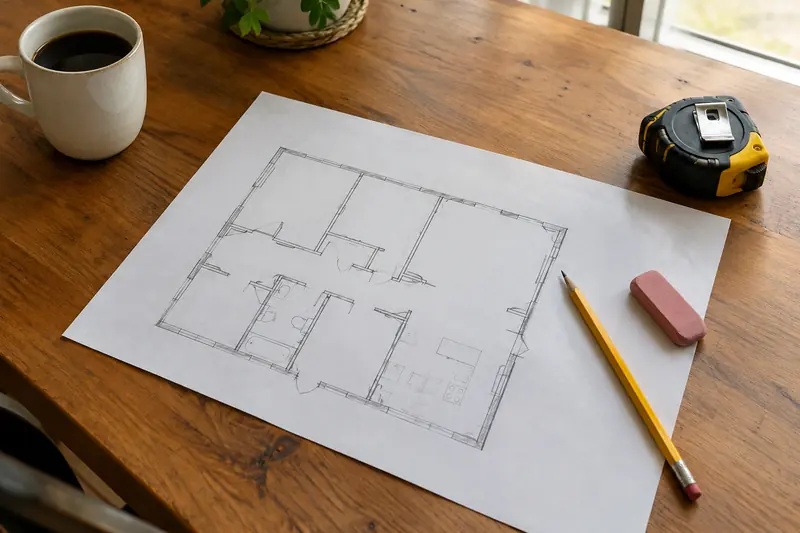 How much fresh air does a house need?8 cards
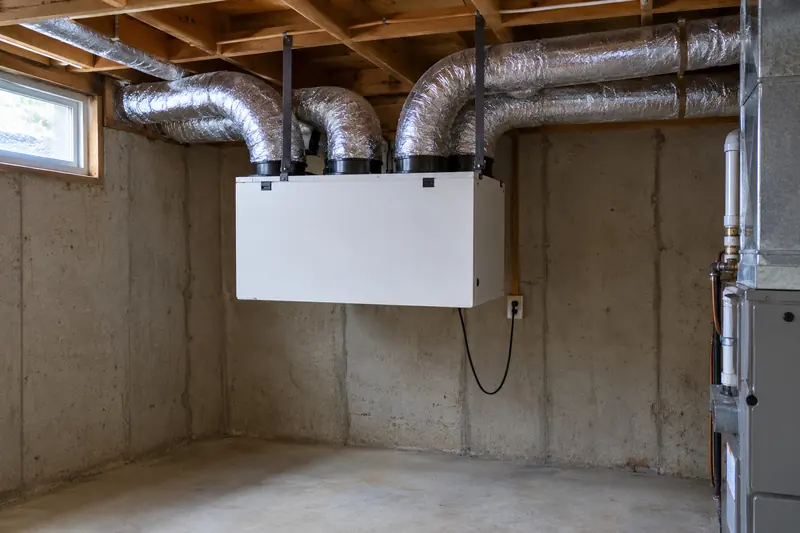 ERV or HRV: which one suits your climate?8 cards
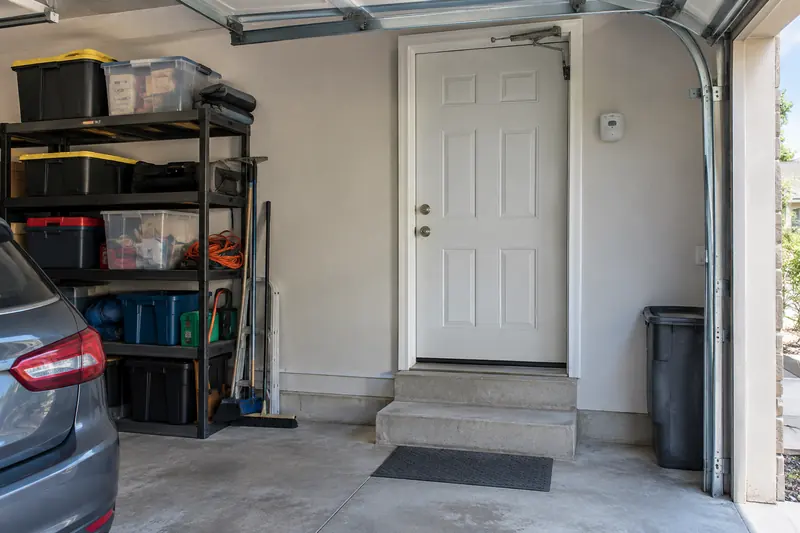 How do you keep garage fumes out of the house?7 cards
Humidity
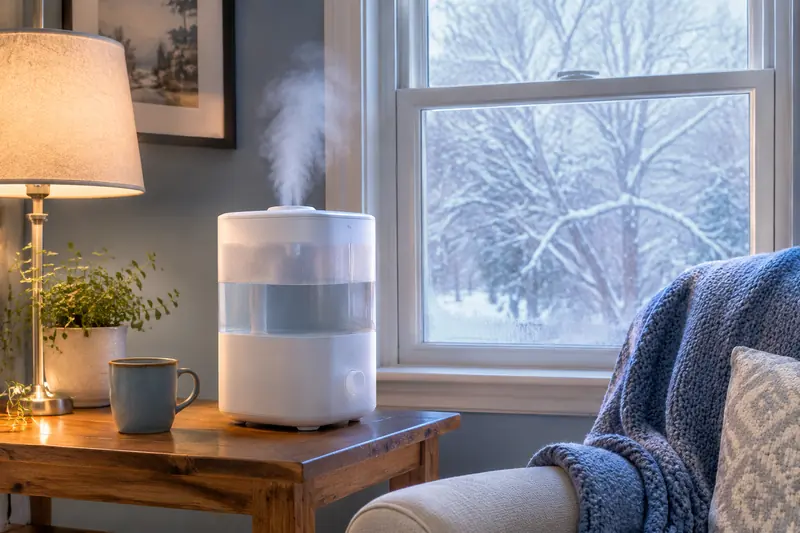
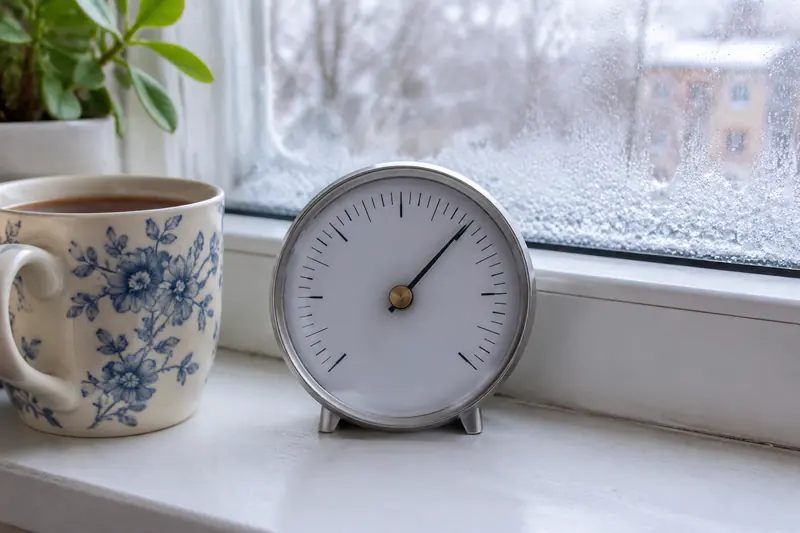
Winter humidity, wet windows and choosing a humidifier. 4 stacks · 30 cards

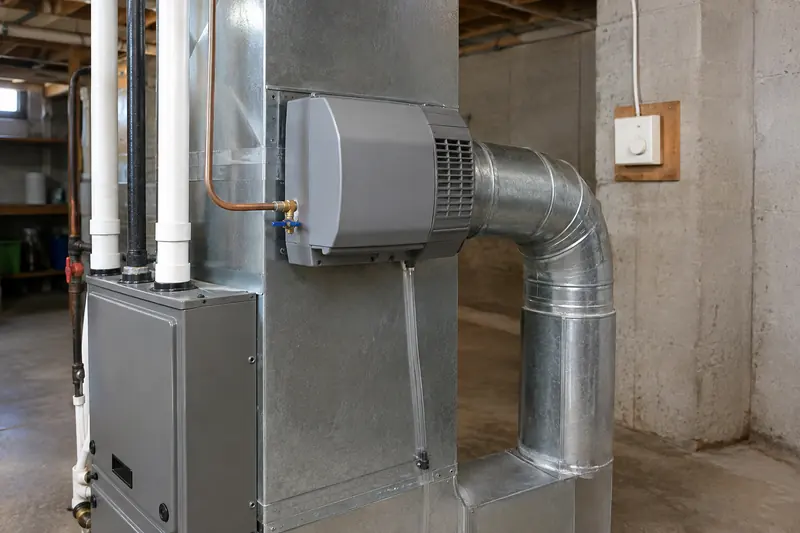
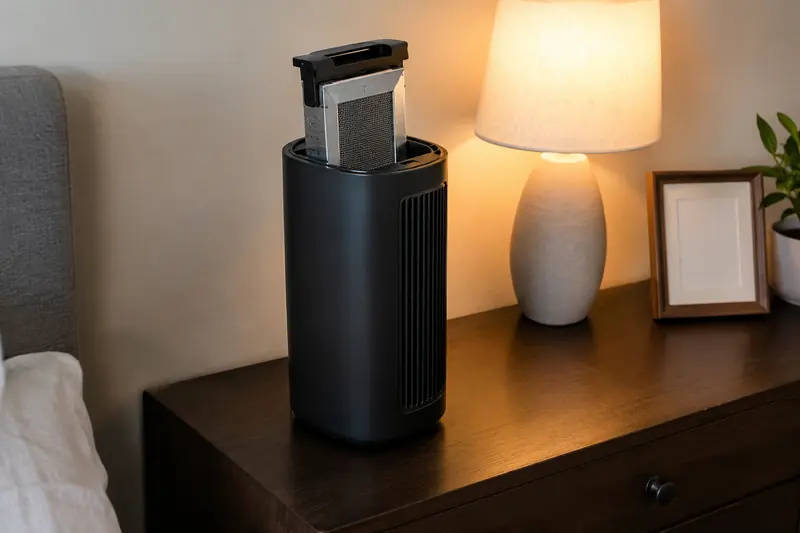
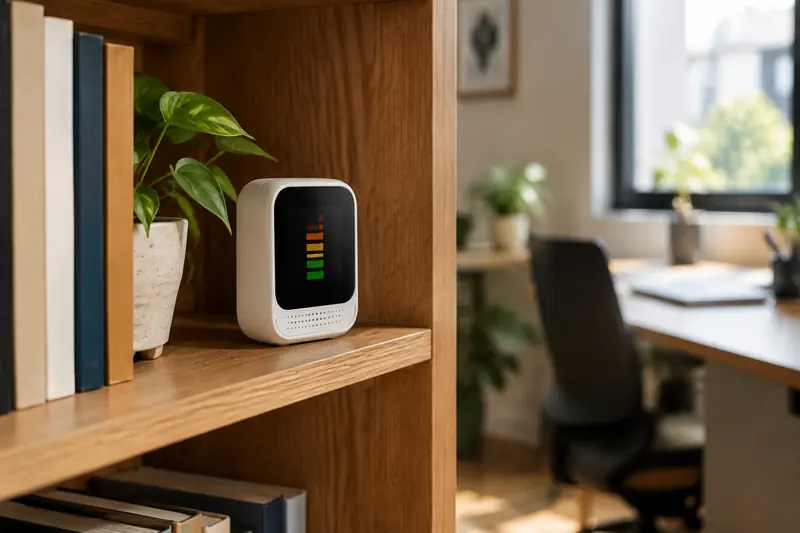
Filters and cleaners
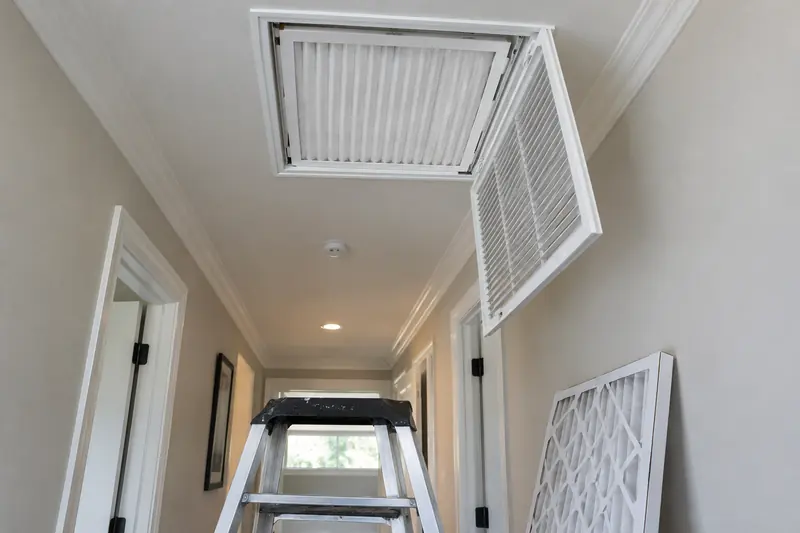
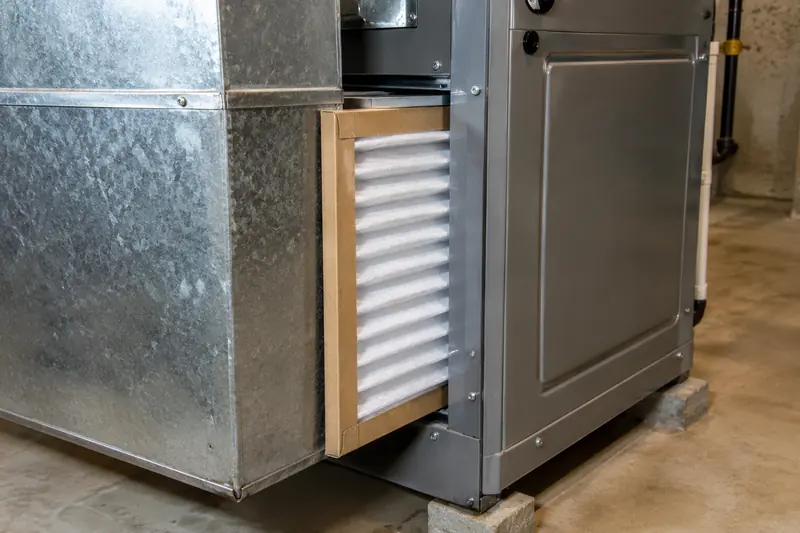
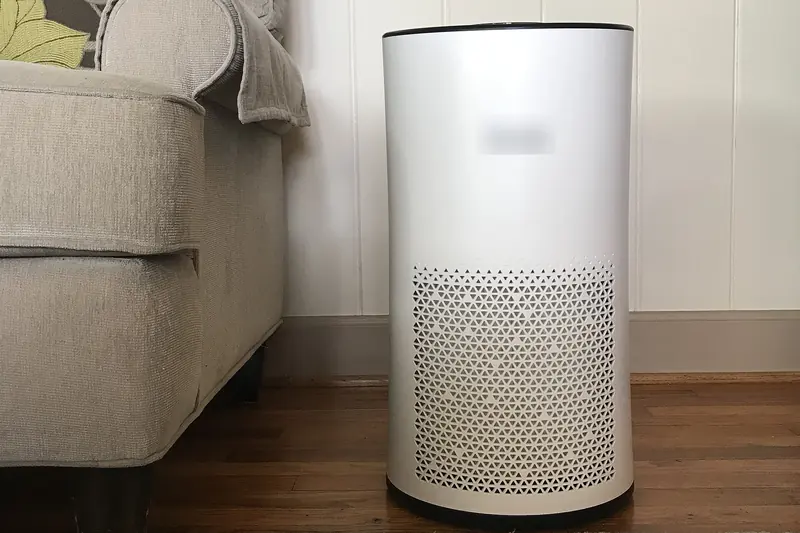
MERV, CADR, ozone claims, wildfire smoke and air monitors. 6 stacks · 43 cards

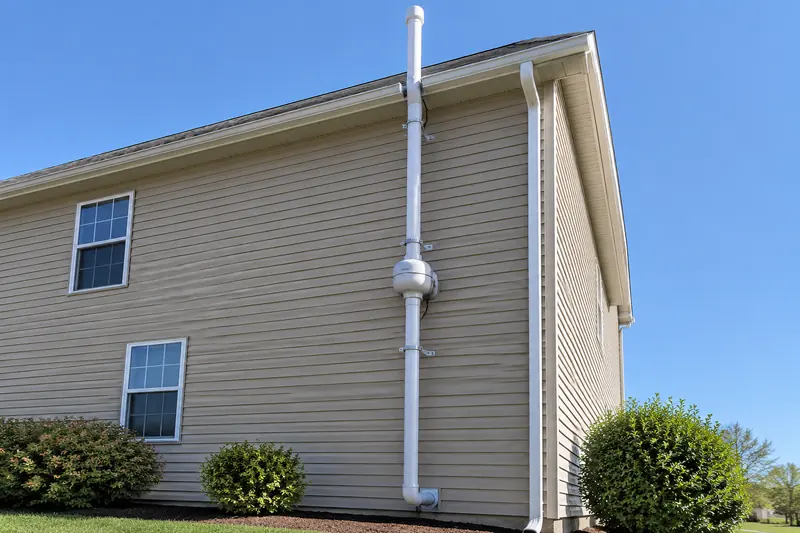
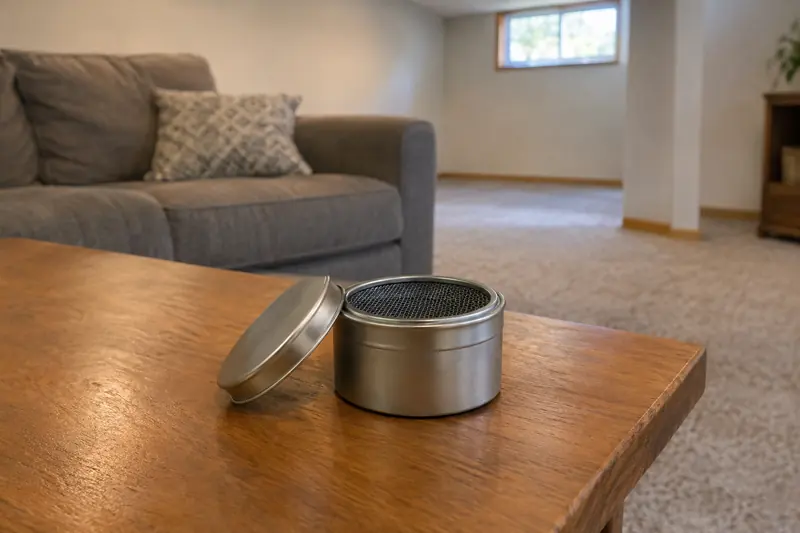
Radon
Testing, reading the number and how certified pros fix it. 4 stacks · 30 cards
Stack 0 · 7 cards
Where to start: the whole house on a few cards
Where should you start?
Home ventilation means moving damp, smoky or stale indoor air out and fresh outdoor air in on purpose, with a hood in the kitchen, a fan in each bath and a planned system for the whole house.
Every house breathes; what matters is whether moisture, cooking fumes and soil gas leave or linger. Air in the House takes it room by room, with the number and who set it.
- The Department of Energy says all energy-efficient homes require whole-house mechanical ventilation, new or existing.
- The 2024 International Residential Code sets 50 cfm for a switched bath fan and 100 cfm for kitchen exhaust.
- 30–50% is the indoor humidity range EPA suggests in its mold guide, never above 60% for long.
- EPA suggests a MERV 13 furnace filter, or the highest rating the system can handle.
- EPA says fix a home at 4 pCi/L of radon or higher; nearly 1 in 15 US homes is above that.
- CPSC wants a CO alarm on every level and outside sleeping areas.

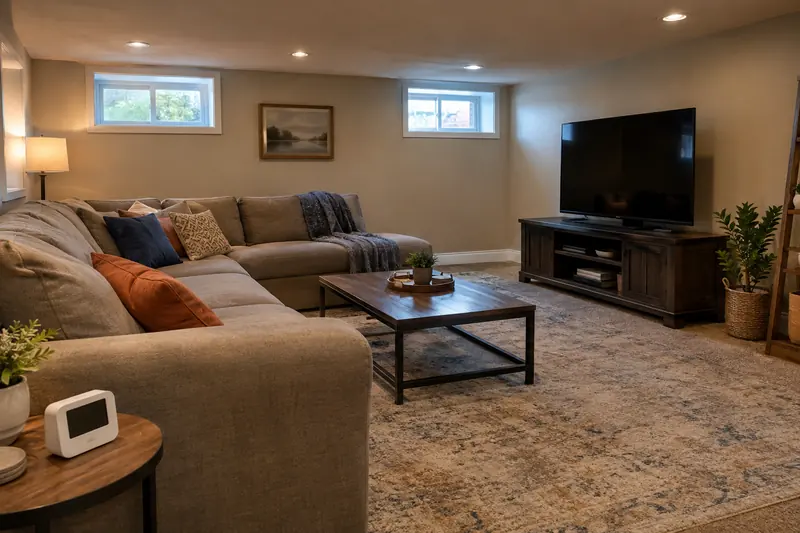
AI-made picture, not a photo of a real house Why does home ventilation matter more in newer houses?
Newer houses leak far less air, so the fresh air that used to slip in through gaps now has to be brought in by fans. The 2012–2018 editions of the IRC required whole-house mechanical ventilation once a blower-door test came in at 5 air changes per hour at 50 Pa or less. The 2024 edition caps new-home leakage at 2.5 to 4 ACH50 by climate zone in its energy chapter; your local code may differ.
Video from the Broan-NuTone channel on YouTube: Proper Ventilation Equals a Healthy Home. That channel has no tie to Air in the House; nothing loads from YouTube except the still picture until you press play. Turn over for the detail
What you make indoors now stays indoors: NDSU Extension says each person adds about 3 pints of water vapor a day by breathing alone. For a 2,000 sq ft, 3-bedroom house, the ASHRAE 62.2 formula asks for 90 cfm of steady fresh air; the IRC table sets about 60 cfm for the same house. The whole-house stacks explain both, and why tight homes need fresh air covers ACH50.
Which room should you fix first?
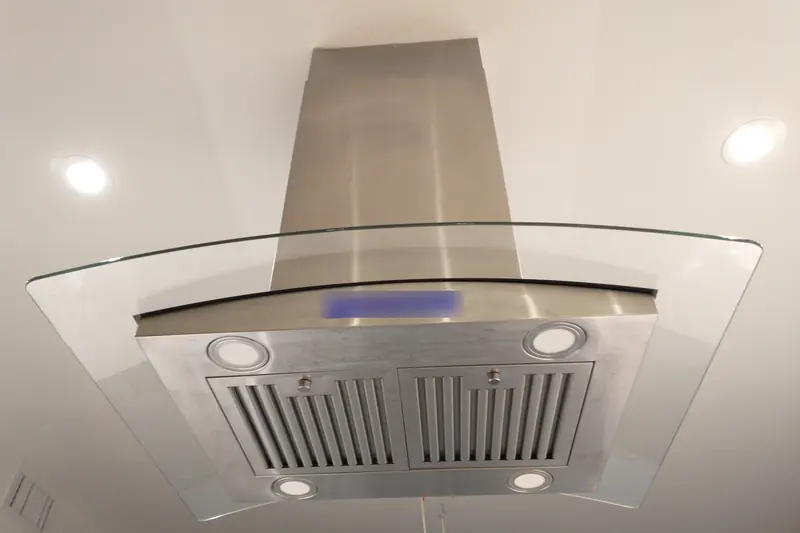
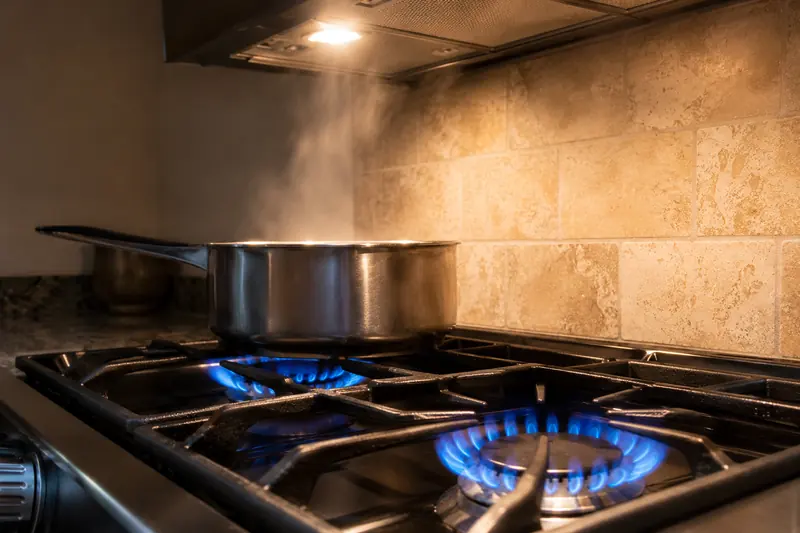
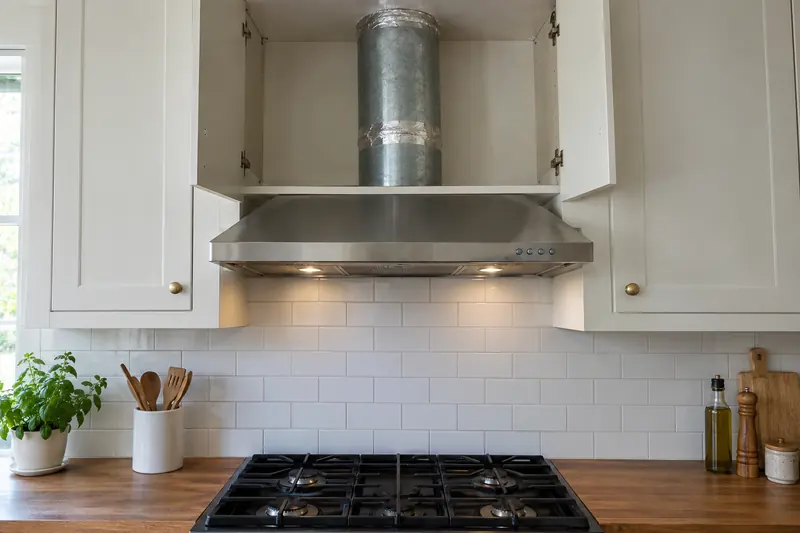
Start with the kitchen and the bathrooms, because that is where moisture and combustion fumes are made, and Lawrence Berkeley National Laboratory found ventilation works best closest to the source. A bath fan should move at least 50 cfm, the code minimum for a bath fan, and run about 20 minutes after a shower, which is the Home Ventilating Institute's advice. See the bathroom stacks. In the kitchen stacks, HVI suggests about 100 cfm per foot of cooktop for a wall hood, and 100 cfm is the code minimum for kitchen exhaust.
Which room, which air problem, which topic Room Common air problem Topic that covers it Kitchen Cooking smoke, grease, steam; NO2 and CO from gas burners Kitchen Bathroom Shower steam that feeds mold Bathroom Bedrooms Stale, stuffy air overnight; dry winter air Whole house; Humidity Living room Dust, pollen, wildfire smoke Filters and cleaners Basement Radon seeping up from the soil Radon Attic and garage Damp air dumped into the attic; car and fuel fumes from an attached garage Bathroom; Whole house Turn over for the detail
For sweating winter windows, the humidity stacks show how to measure and adjust.
What can you do yourself, and what needs a pro?
You can run and check what you have; wiring, roof or wall cuts and combustion belong to licensed trades. Yours: switching the breaker off before cleaning a fan grille, the tissue test on the grille, reading a hygrometer, and checking the furnace filter monthly, changing it at least every 3 months (ENERGY STAR).
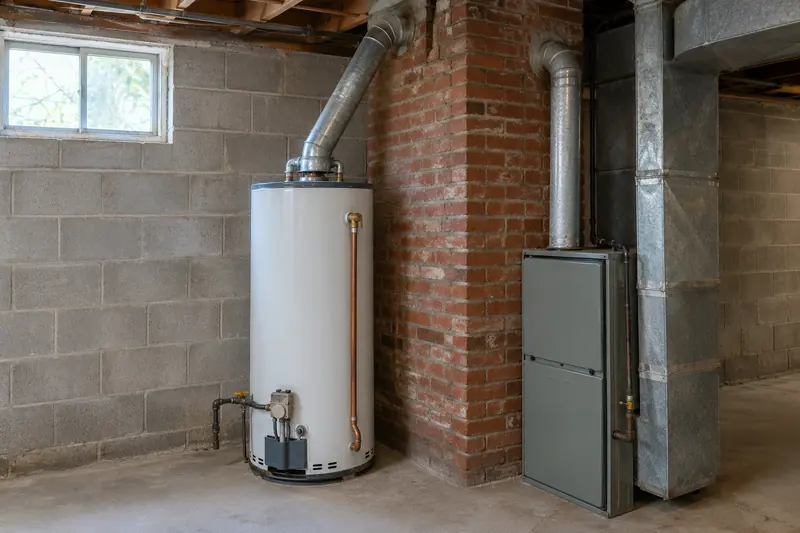
Wiring a fan, timer or hood is an electrician's job; cutting and flashing a roof or wall opening is a roofer's. A big hood or tighter house can pull fumes down a furnace or water heater flue, so ask a qualified pro for a combustion safety test after major changes. If you're unsure, call a licensed pro.
How do filters and air cleaners fit in?
They help with particles, but they come after ventilation, not instead of it: EPA's air cleaner guide says filtration does not replace the need to control pollutants and ventilate. For particles, EPA suggests MERV 13 or as high as the fan and filter slot can take, and a portable cleaner sized by its smoke CADR. Skip ozone generators; EPA says no federal agency has approved them for occupied spaces. The filters and cleaners stacks compare the options.
Source EPA
Next Why test for radon?↓Why test for radon?
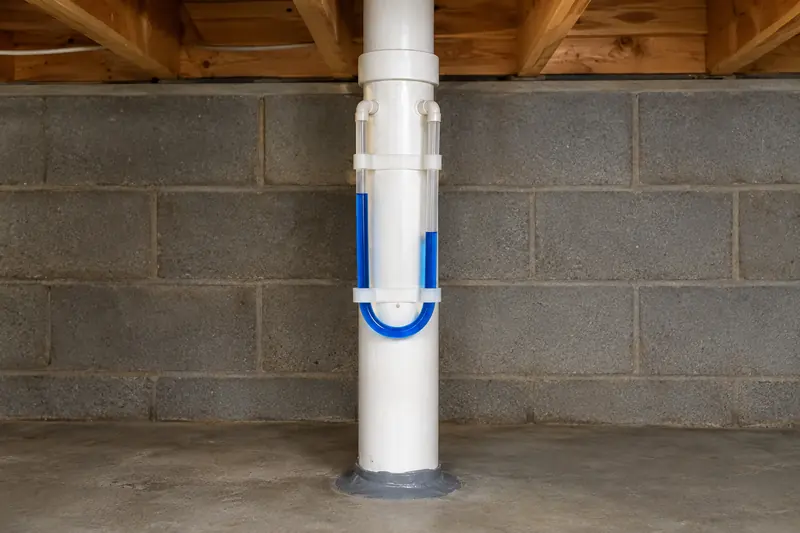
Because nothing else tells you it's there, and EPA links radon to about 21,000 lung cancer deaths a year, the top cause among never-smokers. EPA and the Surgeon General recommend testing all homes below the third floor. EPA's Citizen's Guide says fix at 4 pCi/L, the radon action level, and consider it between 2 and 4. The radon stacks walk through testing, results and certified mitigation.
The house in five numbers
- 50 cfmcode minimum for an intermittent bath fan2024 IRC Table M1505.5
- 30–50%indoor humidity range EPA suggestsEPA
- MERV 13furnace filter EPA suggests if the system can take itEPA
- 4 pCi/Lradon level at which EPA says fix the homeEPA
Chart drawn by Air in the House from figures cited in this stack.
Quick cards
Short questions people ask next, one answer each.
What does cfm mean on a fan or hood?
Cubic feet per minute: how much air the fan moves. Code and HVI figures are given in cfm, so compare the rated number on the box, ideally an HVI-certified one, with the figure for the room.
What is the first move when gas smells or a CO alarm sounds?
Get everyone out of the house right away. Don't touch light switches, don't make calls and don't hunt for the source while inside. From outside, call 911 or the gas utility.
Does an air purifier replace a bath fan or range hood?
No. A portable cleaner catches particles; it does nothing for shower moisture. Exhaust fans carry moisture and fumes outdoors.
Does the test button prove a CO alarm still works?
Only partly. CPSC says the button checks the circuitry, not the accuracy of the sensor, and alarms have a replacement age printed by the maker. Swap them on that schedule.
Is there a federal tax credit for ventilation equipment in 2026?
No. The IRS says the 25C home-improvement credit is not allowed for property placed in service after December 31, 2025. Ask your state energy office and utility about current rebates.
Does Air in the House install, inspect or test anything?
No. It is a reference site, not an HVAC contractor. For work, look for a licensed contractor or certified radon professional where you live.
Where these cards come from
Built from the 2024 International Residential Code, EPA, ENERGY STAR, DOE, CPSC, HVI, NDSU Extension and LBNL, checked in October 2026. No product picks, rankings or prices; each stack carries its own sources.
- U.S. Department of Energy all energy-efficient homes require whole-house mechanical ventilation
- EPA mold guide
- International Residential Code energy chapter
- NDSU Extension each person adds about 3 pints of water vapor a day
- Berkeley Lab ventilation works best closest to the source
- ENERGY STAR ENERGY STAR
- EPA filtration does not replace the need to control pollutants and ventilate
- EPA about 21,000 lung cancer deaths a year
- EPA Citizen's Guide
- International Residential Code 2024 IRC Table M1505.5
- EPA EPA
Cards are written by the Air in the House editors from the documents above and dated when they were last checked. How stacks are made